Gladiator show and museum visit
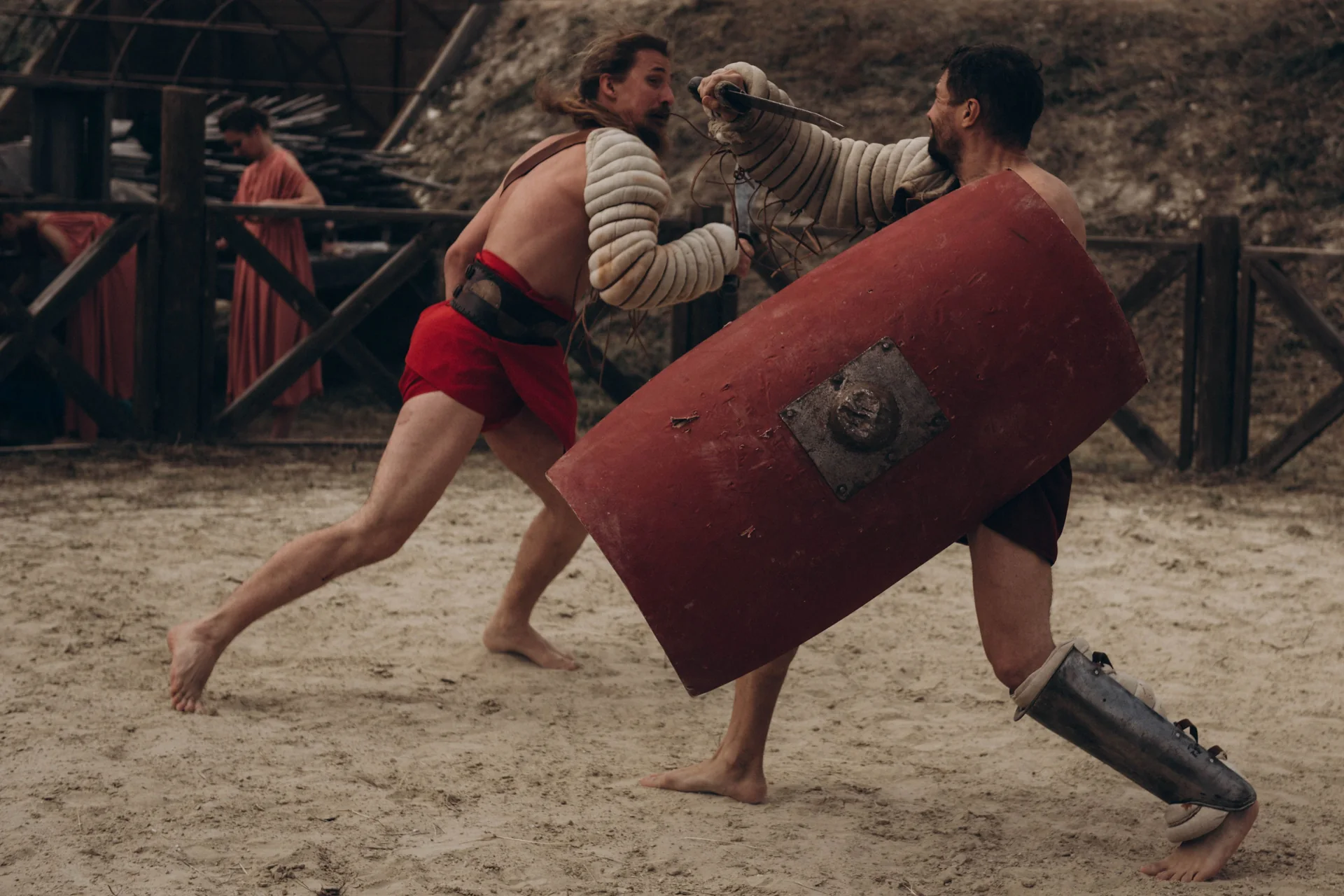
Re-enactors perform gladiator fights, dances, Vestal rites and pantomime in an arena on the Via Appia Antica, after a visit to a small museum of Roman arms and armour.
Independent guide, not affiliated with the venue or the show's operator. Bookings are made with GetYourGuide.
Rome · Via Appia Antica
Re-enactors in real armour swing real weapons, then stage dances and Vestal rites in an arena on the Via Appia.
Guests love getting pulled into the arena, and the snacks and drinks keep coming.
Is it worth adding to a Colosseum visit?
Yes, if you want to see how gladiators looked and fought, and you are content with a re-enactment. The booking page reports an engaging show with passionate performers and audience participation, and reviewers call the snacks and drinks a pleasant surprise. The Colosseum is still the original arena, so treat this evening as its lively companion.
A museum visit and a show lasting 90 minutes at the headquarters of the Gruppo Storico Romano, a historical re-enactment association. The booking page names gladiator fights, ancient dances, Vestal rites and pantomime, performed with music, lights and effects.
It is not an ancient arena and not an archaeological visit. The performers are historical re-enactors in a purpose-equipped arena, so the evening is a reconstruction built on research, not a record of how any single bout went.
The booking page says shows take place from May to September. Pick a date from the calendar and the evening falls inside the season; a date outside it will not appear.
Four lines on the Appian Way show
The arena programme
The booking page names four kinds of performance. Each one rests on something Roman writers or archaeologists recorded, so this section explains the background to each.
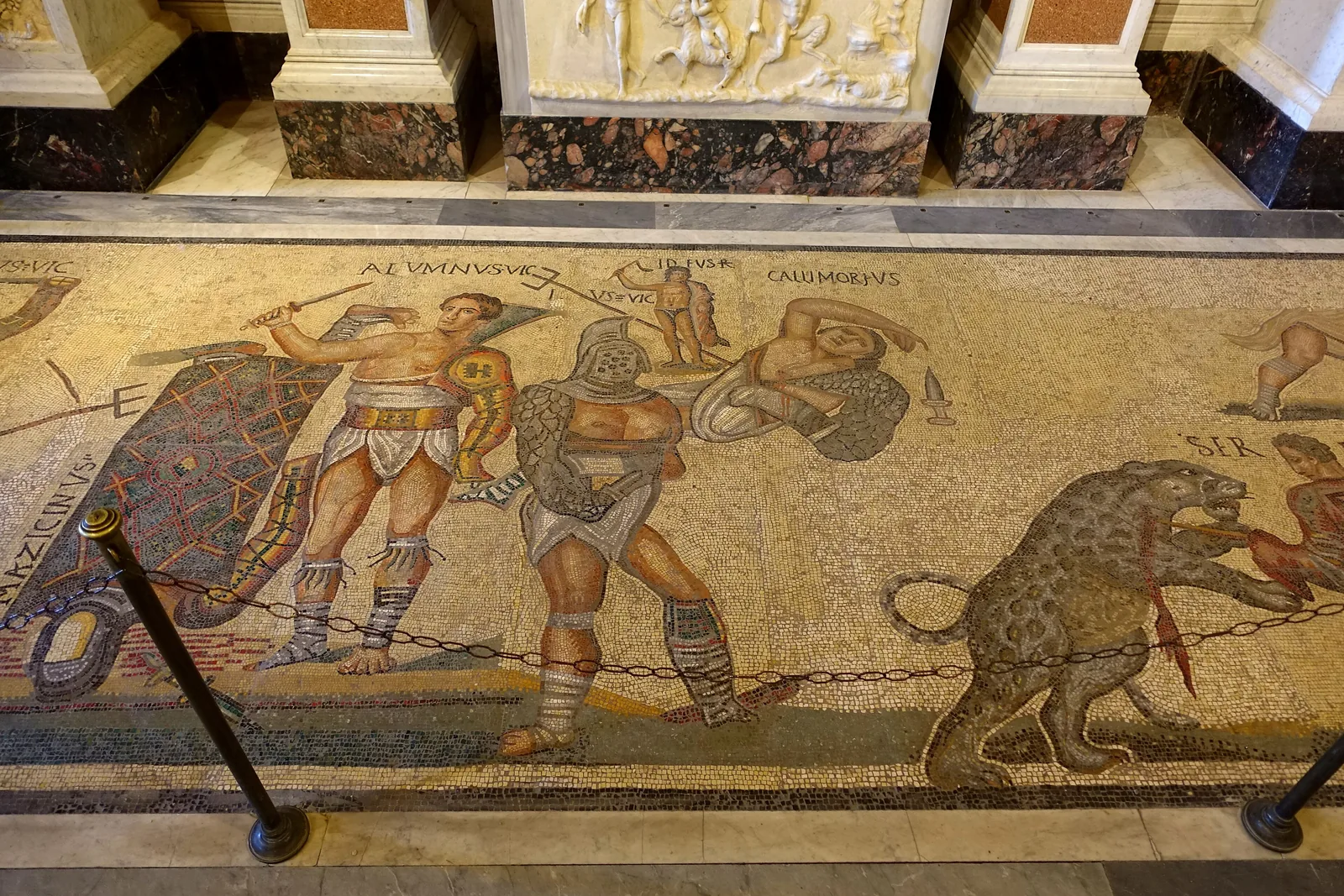
Wikipedia describes types such as the murmillo with a large rectangular shield, the retiarius with a net and trident, the secutor trained to face him and the thraex with a small shield and curved sword. Which types you see depends on the performers on your night.
The booking page lists ancient dances as part of the programme. It does not name them, so expect staged movement set to music and treat any particular dance as a bonus.
The Vestals were the priestesses of Vesta, goddess of the hearth. Wikipedia says the college had six members, who took turns watching the sacred fire in the Temple of Vesta.
The booking page lists pantomime, which tells a story by movement and gesture. Wikipedia traces mime to ancient Greece and says Roman mime included female as well as male performers.
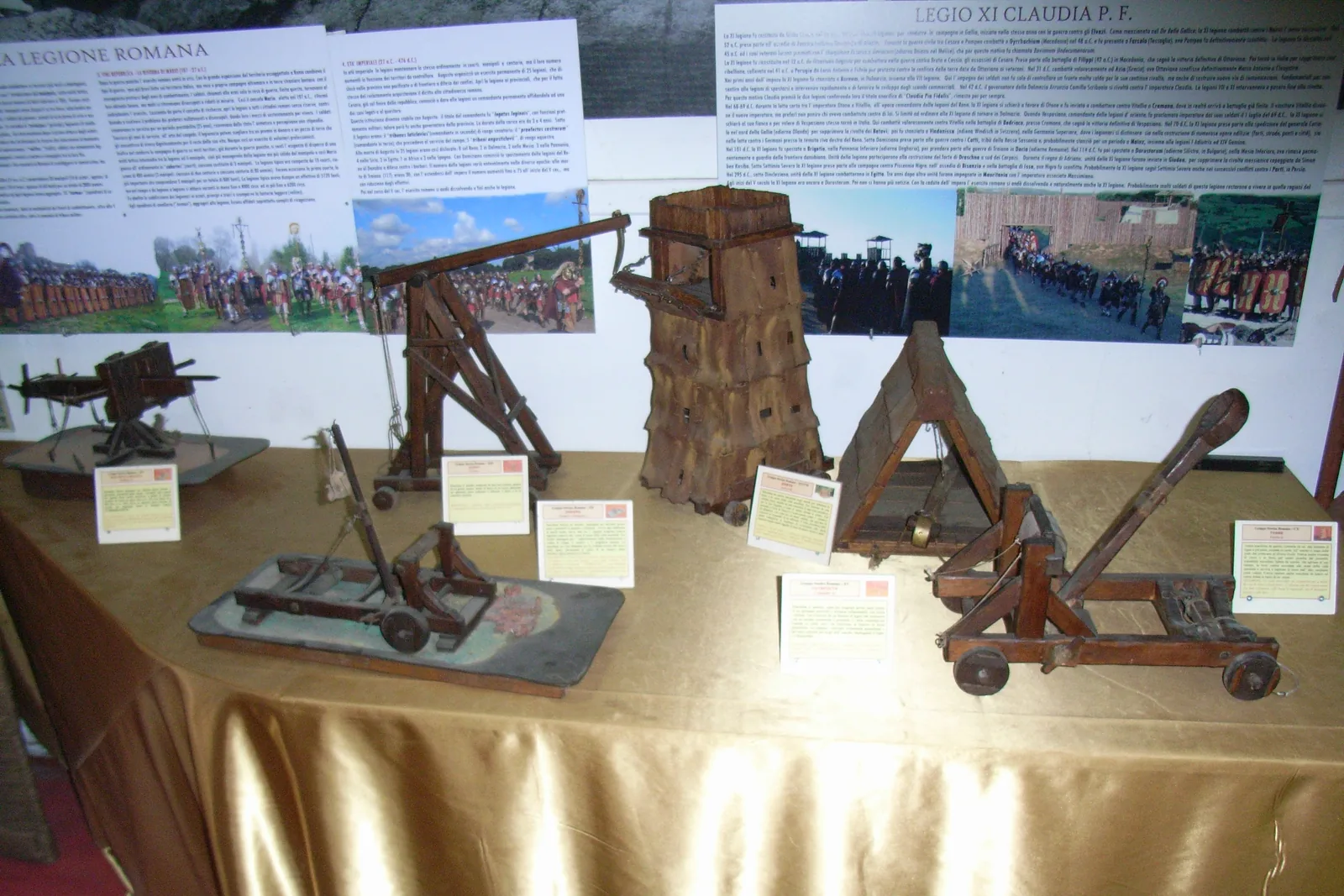
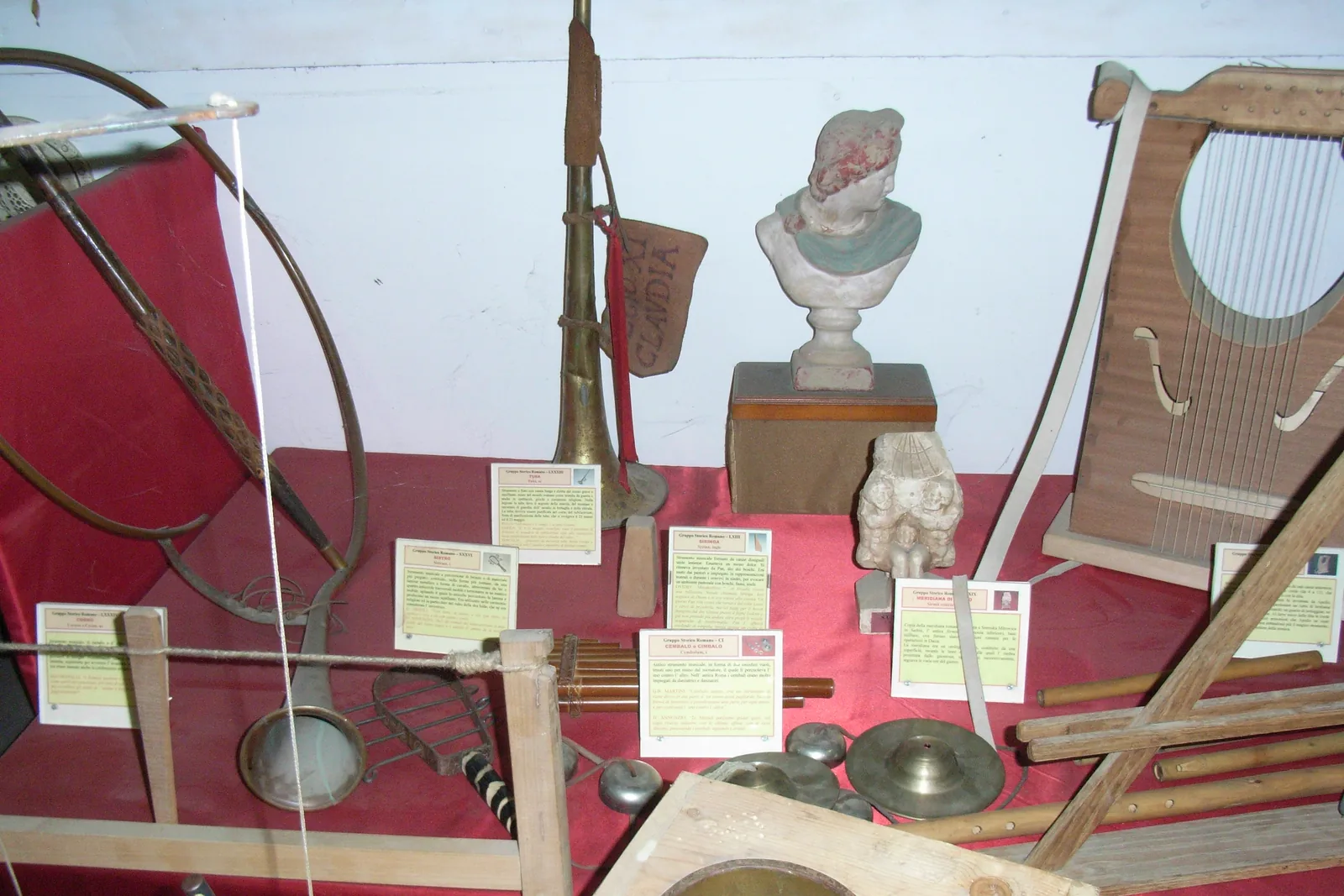
Turismo Roma says the museum on the site displays arms and armour of legionaries and gladiators, full-scale war machines and everyday objects, reproduced on the basis of research.
Several reviewers describe taking part, and one says he was chosen to be a gladiator. Expect to be invited in, and say no if you would rather watch.
The programme varies from night to night, so this lists the kinds of act the booking page names and should not be read as a schedule for your night.
From the gate to the sand
Your voucher and the booking calendar show the arrival time for your date.
You meet at the Rome Gladiator School of the Gruppo Storico Romano, Via Appia Antica 18, 00179 Rome. One reviewer mentions a car park in front of the entrance.
The booking page says the evening begins with a visit to the Museo storico-didattico del legionario romano, a small museum run by the same association.
The event description names a cocktail in the Armory of the Legion. Reviewers mention snacks and drinks served at the start, so you can treat the evening as a light meal and still plan dinner afterwards.
Fights, dances, Vestal rites and pantomime unfold in the equipped arena, with music, lights and effects. The booking page says photographs are welcome.
Reviewers say you need a taxi or another way to reach the site. One says staff ordered taxis for guests when the show ended, so ask at the exit.
Six things the ticket settles
Six points to settle before you pick a date.
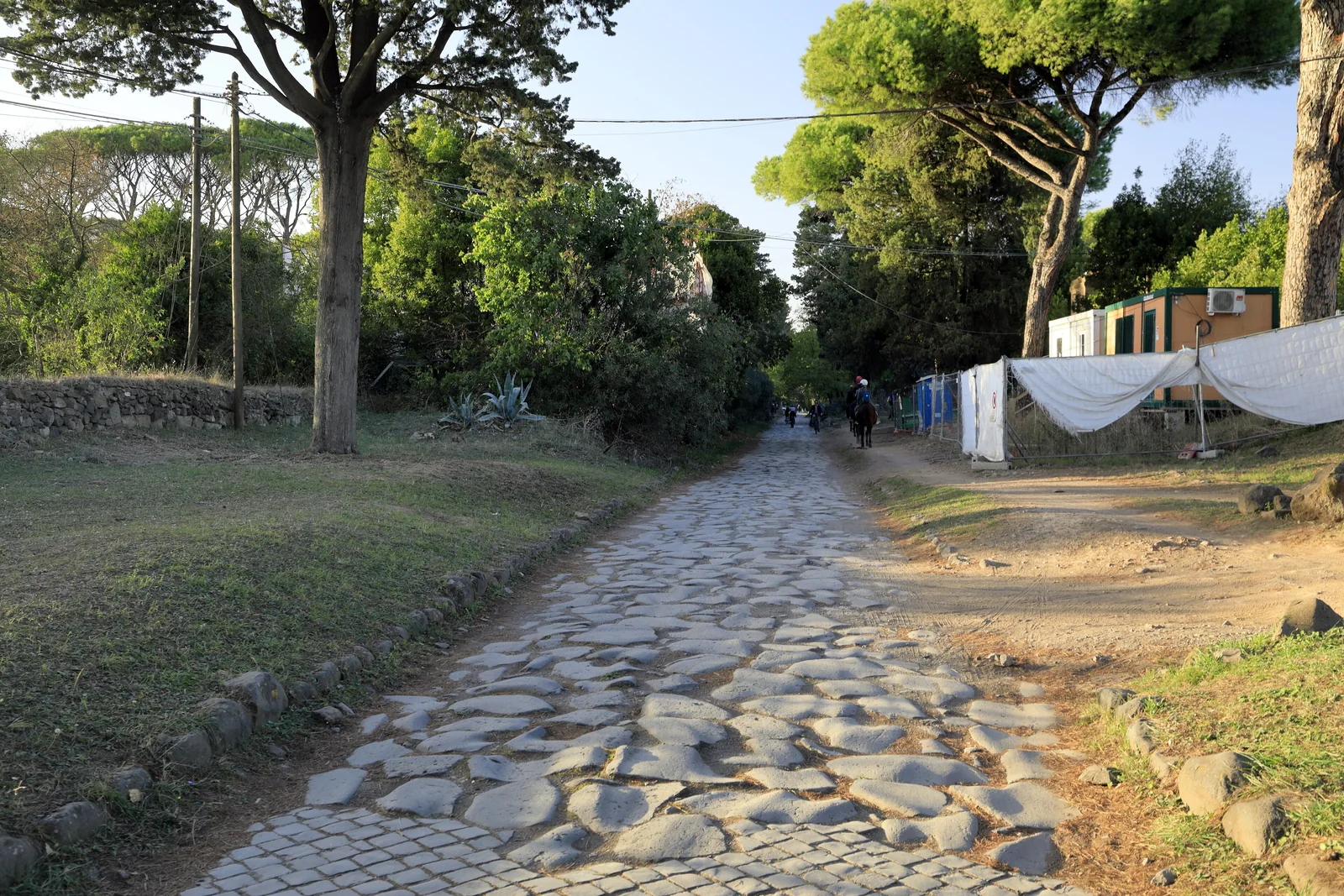
The arena, the museum and the old road
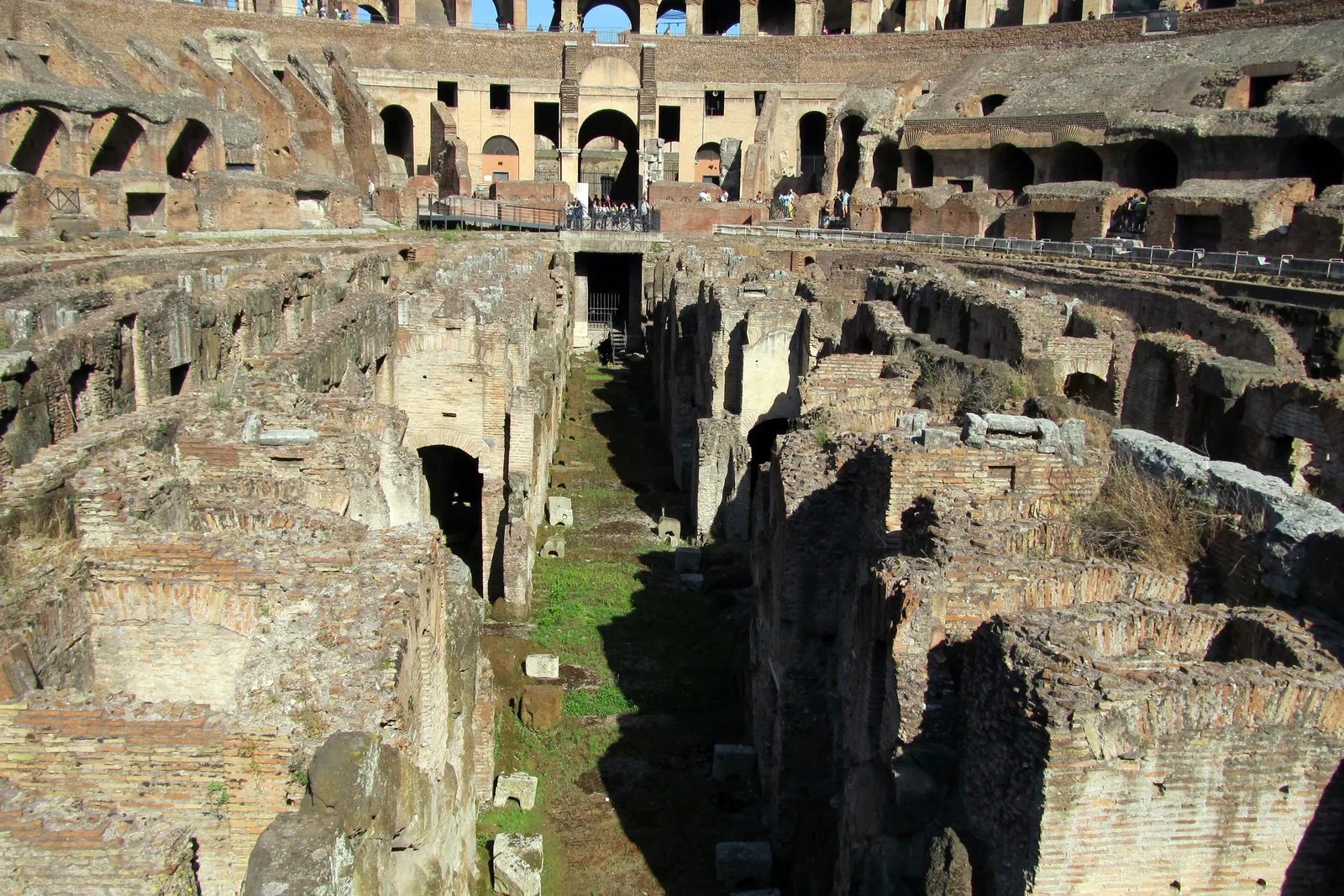
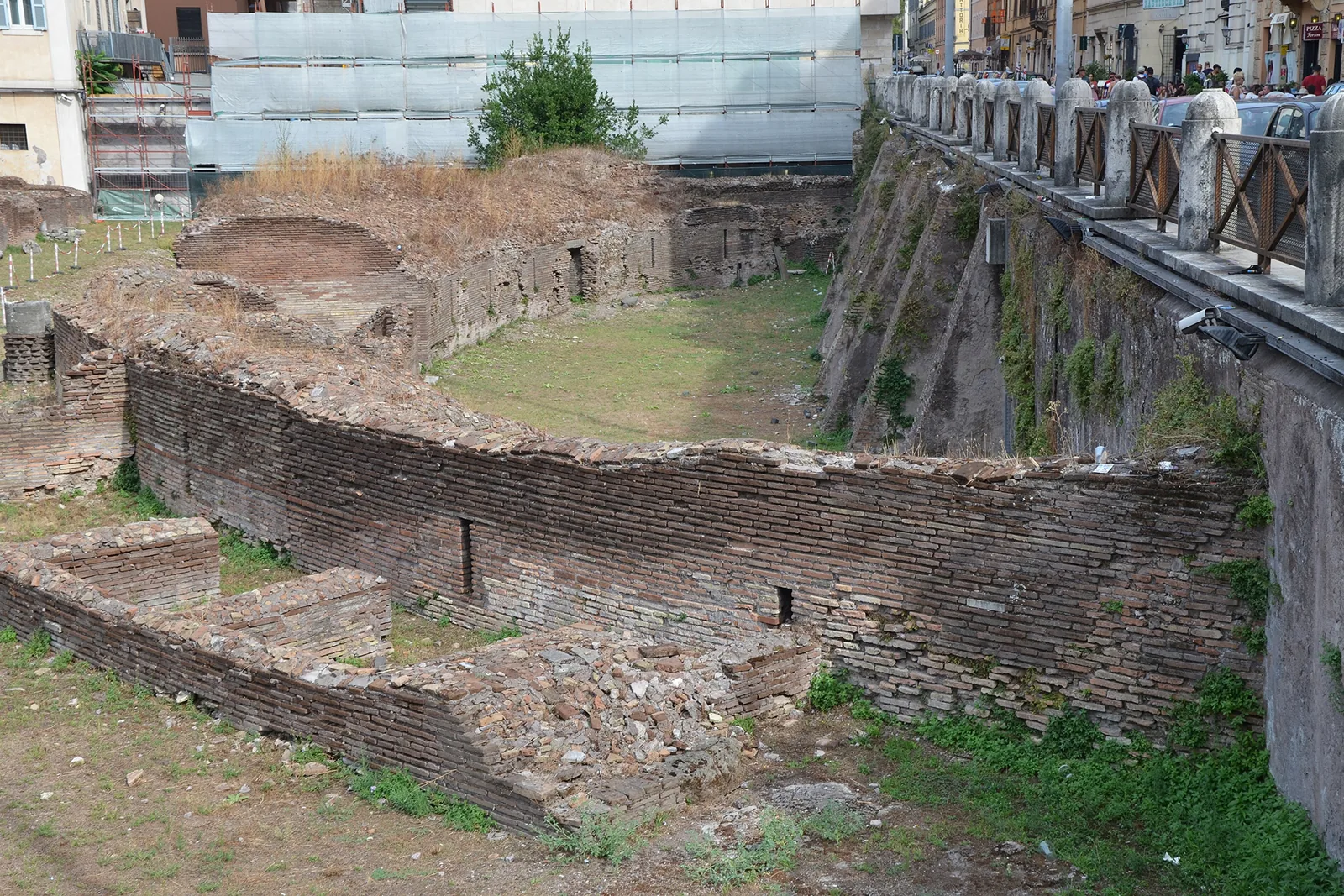
The Appian Way's original paving, a Roman mosaic of gladiators, two cases from the museum on the site, the passages under the Colosseum and the ruins of the Ludus Magnus.
Four tickets for a Roman trip
The first card is the gladiator show this site covers. The other three are Rome outings that pair with it: Forum and Palatine Hill entry with Colosseum options, a guided tour of the Colosseum, Forum and Palatine Hill, and an entry ticket for the Pantheon.
Re-enactors perform gladiator fights, dances, Vestal rites and pantomime in an arena on the Via Appia Antica, after a visit to a small museum of Roman arms and armour.
Entry to the Roman Forum and Palatine Hill with an audio guide app, plus Colosseum options. The arena floor is a separate option.
A guided walk through the Colosseum, the Roman Forum and Palatine Hill with a licensed guide, in a small group if you choose that option.
An entry ticket for the Pantheon with an audio guide that tells the story of the building, which is also a church.
Also worth booking in Rome
Reaching the Appian Way
The Gruppo Storico Romano is at Via Appia Antica 18, 00179 Rome. Wikipedia says the Rome stretch of the Appian Way lies within the Appian Way Regional Park, and the booking page puts the arena about 3.5 km from the Colosseum.
Wikipedia says Appius Claudius Caecus began the road in 312 BC. UNESCO inscribed it in July 2024 as Via Appia, Regina Viarum, a nod to the poet Statius, who Wikipedia says called it the queen of the long roads.
Reviewers advise arranging a taxi or another way to travel, and one says staff ordered taxis for guests after the show. Book your ride home in advance if you can.
One reviewer notes a car park in front of the entrance. Load the address in a maps app before setting off.
Shows run from May to September, and a reviewer mentions the heat, so wear light clothes and carry water. Bring a phone or camera, because the booking page welcomes photographs.
The start time for your date shows on the calendar and again in your confirmation e-mail.
Free cancellation applies until 24 hours before the start, and payment can be deferred if you reserve first.
Keep reading about Rome
FAQ
A re-enactment by the Gruppo Storico Romano at its headquarters on the Via Appia Antica. The booking page names gladiator fights, ancient dances, Vestal rites and pantomime, with music, lights and effects, and a visit to a small museum.
Yes, if you want to see gladiator fighting brought to life. The Colosseum is the original building and the show is a reconstruction, so the two answer different questions and fit one trip.
No. The arena is an equipped modern one at the association's headquarters. The Colosseum, which Wikipedia dates to the first century AD, is the ancient arena.
Historical re-enactors of the Gruppo Storico Romano, who the booking page says use real weapons and armour. Turismo Roma says the association was founded in 1994.
Ninety minutes. The ticket lists a museum visit and the show. The event description also mentions a cocktail, and reviewers mention snacks and drinks.
The booking page says shows take place from May to September. The calendar shows the dates on offer for your trip.
The site is on the Via Appia Antica, outside the centre. Reviewers advise a taxi, and one says staff ordered taxis after the show. A reviewer also mentions a car park at the entrance.
Reviewers recommend it for families, and one says their child loved it. For age rules, read the booking page before you pay.
The calendar quotes the price in the currency you pick on the booking page.