The schools
How gladiators trained
Roman gladiator schools, the lanista who ran them and the Ludus Magnus beside the Colosseum.
Book the gladiator show ↗Quick answer
Gladiators trained in schools called ludi, run by a lanista, and Rome had four large ones. The biggest, the Ludus Magnus, stood beside the Colosseum, joined to it by a passage. A re-enactment society's arena on the Appian Way is a modern reconstruction of that world, not an ancient school.
What a ludus was
Wikipedia defines a ludus as a gladiator school and names the earliest one it records, run by Aurelius Scaurus at Capua around 105 BC. The school's owner or manager was the lanista, who headed the troupe, called a familia gladiatoria, and held power over life and death within it. Wikipedia says novices trained under teachers of particular fighting styles, who were probably retired gladiators. The schools were barracks as well as training grounds, and the fighters belonged to the troupe.
The four schools of Rome
Wikipedia names four schools in Rome: the Ludus Magnus, the Ludus Dacicus, the Ludus Gallicus and the Ludus Matutinus, which trained fighters of wild beasts. It says the Ludus Magnus housed up to about 2,000 gladiators. The article on the Ludus Magnus says Domitian built it in the late first century AD, directly east of the Colosseum, and that an underground gallery linked the school to the amphitheatre, a passage that textual sources mention and excavation has not settled.
What remains today
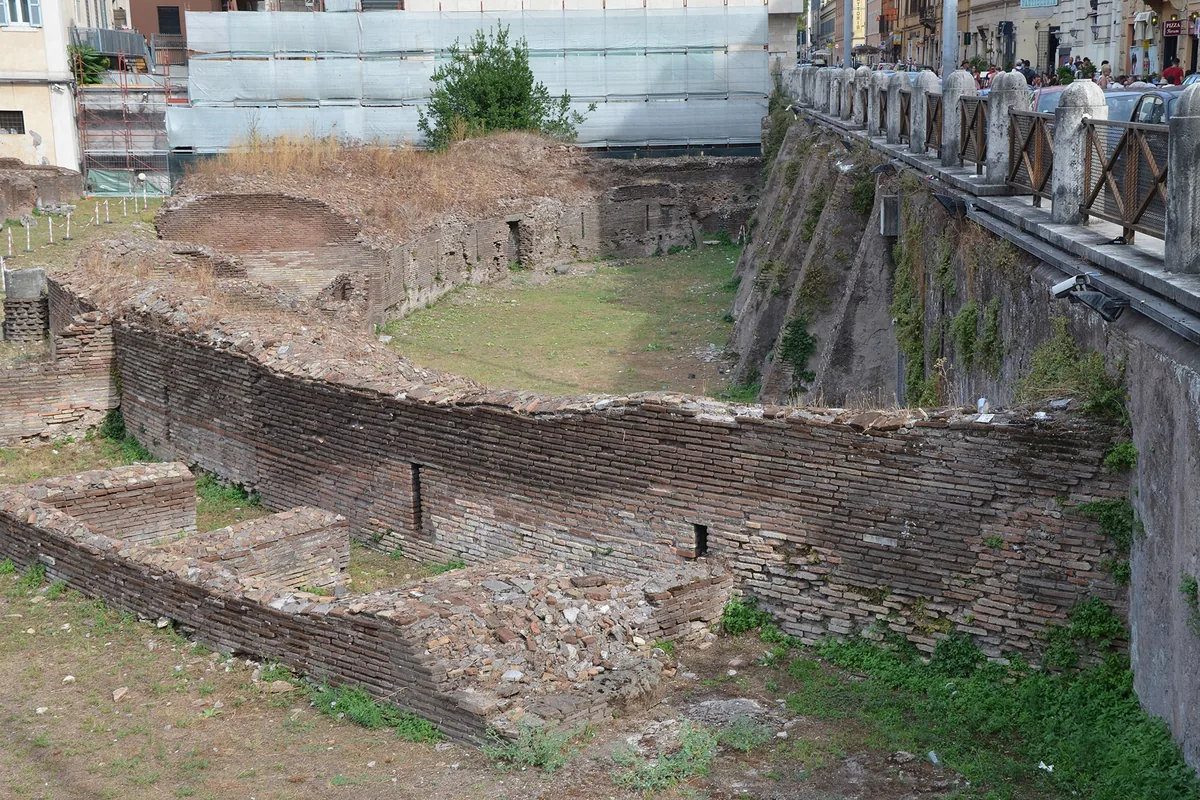
Wikipedia says excavations have uncovered less than half of the Ludus Magnus's arena and barracks, with the rest hidden beneath street level and other buildings. It adds that the visible remains largely date from a rebuilding under Trajan, and that the seating accommodated about 3,000 spectators, who often watched gladiators train. The oval of brick walls is visible from the street beside the Colosseum, which makes it an easy addition to a Colosseum visit.
Status and freedom
Wikipedia says condemned men and volunteers entered the schools in different ways. Convicts were servi poenae, under sentence of death unless freed. Volunteers, the auctorati, were legally enslaved by their contracts. All arena performers were infames, and could not vote, plead in court or leave a will. A wooden sword, the rudis, was the award of release, freedom for a condemned man or retirement for a volunteer. The article says Titus reportedly awarded a rudis to two fighters after a long, even bout.
How a modern group reconstructs it
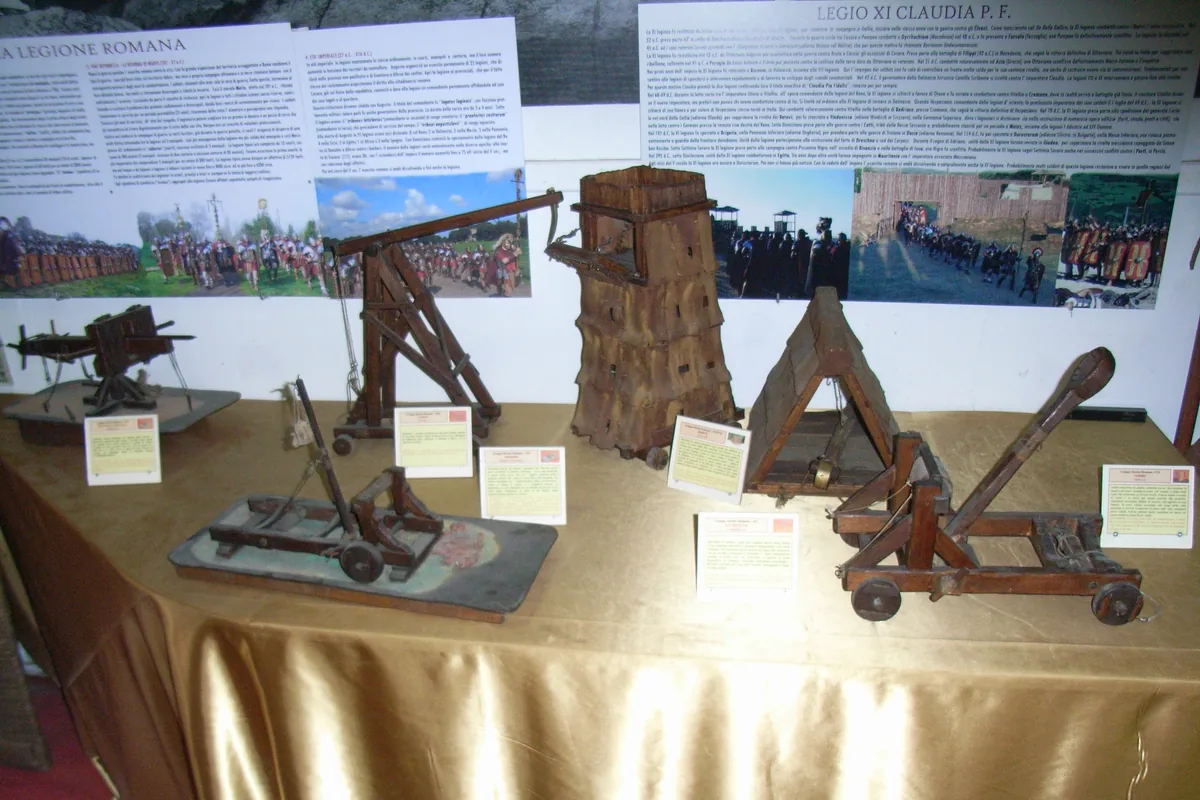
Turismo Roma says the Gruppo Storico Romano has a Gladiators section among sections for the Legion, the Praetorian Guard and others, and describes its work as experimental archaeology. It says the museum on the site displays arms and armour of legionaries and gladiators, reproduced on the basis of research. The booking page for the show says the performers use real weapons and armour. None of this is an ancient school, but it shows how a society tests what the sources imply.
How the games ended
Wikipedia says Constantine reportedly forbade criminals from being made gladiators around 325, though it notes the ban is interpreted and that he later permitted games at Hispellum. It says Honorius legally ended gladiator games in 399 and again in 404, at least in the Western Empire, and that Valentinian III repeated the ban in 438. The Colosseum article says gladiatorial fights there are last mentioned around 435, and that animal hunts continued until at least 523.
Seeing the contrast in one trip
A short route makes the contrast clear: look at the Ludus Magnus and the Colosseum in the morning, then watch the re-enactment on the Appian Way in the evening, when the booking page says shows run between May and September. The first shows you the stones and the plan of an ancient school, and the second shows people performing with kit. Reviewers advise a taxi to the Via Appia Antica, so plan the evening's transport in advance.
Frequently asked questions
What was the Ludus Magnus?
Wikipedia says it was the largest of Rome's four gladiator schools, built by Domitian east of the Colosseum, and that it housed up to about 2,000 gladiators.
Was it connected to the Colosseum?
Wikipedia says an underground passage linked them, mentioned in textual sources, though excavation about it remains inconclusive.
Is the Appian Way arena an ancient school?
No. It is the headquarters of a modern re-enactment association, with an equipped arena and a museum.
Sources