The comparison
Gladiator show or Colosseum?
A re-enactment on the Appian Way or the original arena in the city centre. What each gives you, and how to fit both into a trip.
Book the gladiator show ↗Quick answer
If you can only pick one, pick the Colosseum: it is the original arena, and Wikipedia describes it as the place where gladiatorial contests, animal hunts and staged battles took place. If you have time for both, add the gladiator show, because it brings the fighting, the weapons and the armour to life in a way ruins cannot. They are different kinds of visit, and they fit together in one trip.
The short answer
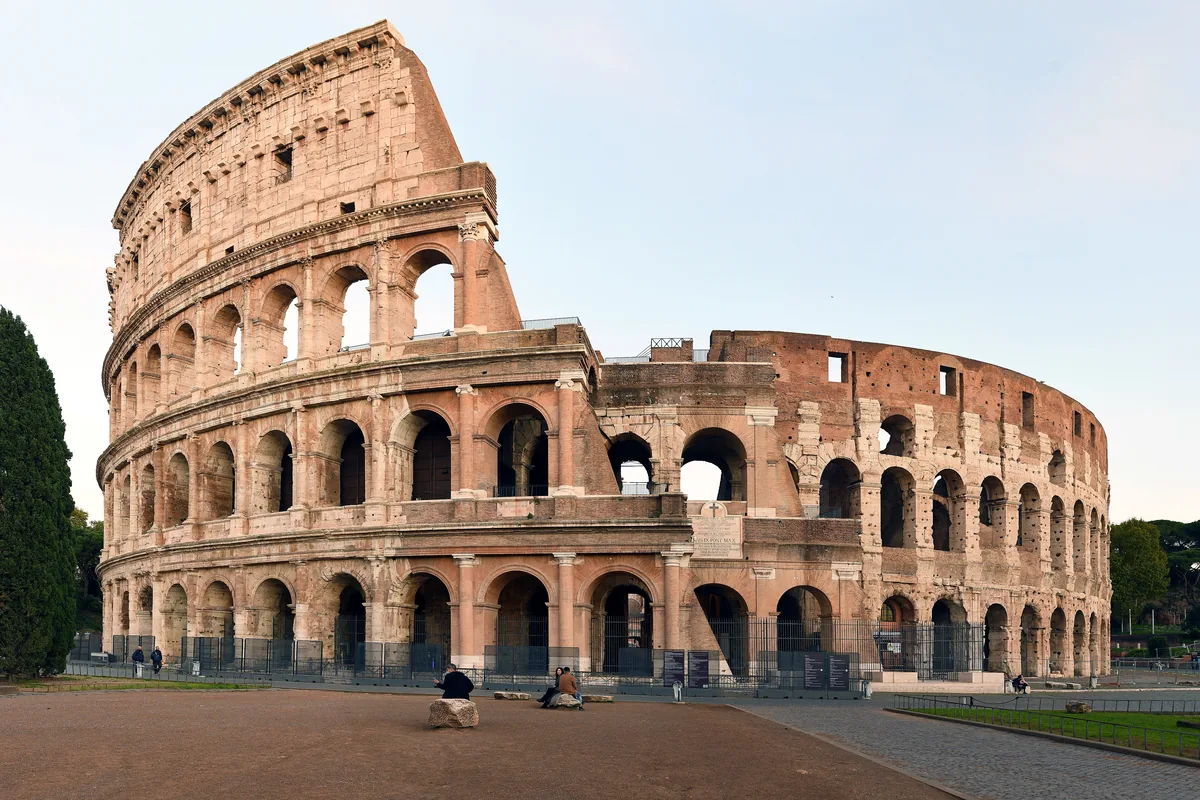
Both, if you have the time; the Colosseum first, if you do not, and the show as a second evening in a longer stay. The Colosseum gives you the building, the scale and the history. The gladiator show gives you movement, sound and the objects themselves: shields, helmets, swords and the way fighters stood and struck. One is a place and the other is a performance. Reviewer comments differ too: the Colosseum tickets on the booking pages draw remarks about queues and ticket details, while the show draws remarks about transport. This guide sets out what each offers, what each asks of you and how the two fit together, so that you can spend your Roman days on the right mix.
What the Colosseum gives you
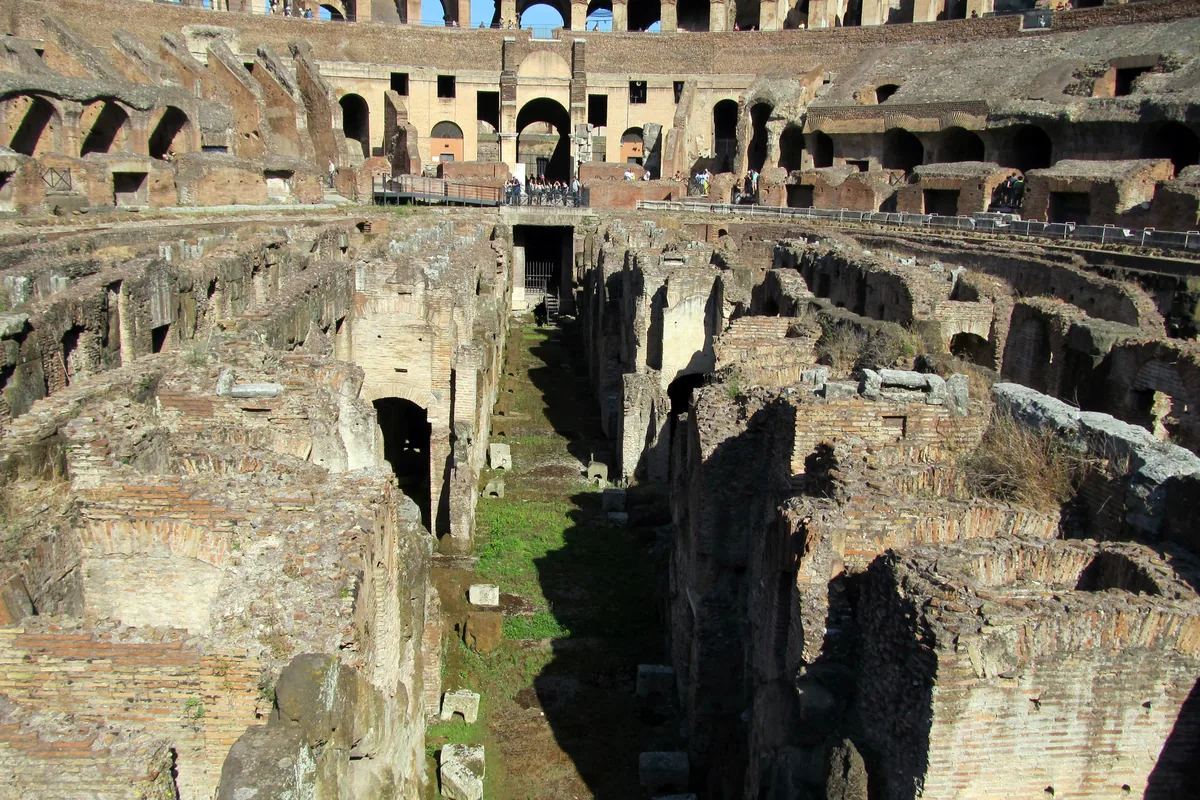
Wikipedia says construction began under Vespasian in AD 72 and was completed in AD 80 under his successor, Titus, with further modifications under Domitian. The article gives capacity estimates from 50,000 to 80,000, with an average of about 65,000, and says the arena had a wooden floor covered with sand. You see the structure that held the crowd, and the passages below the floor. What you do not see is a fight; for that you need imagination or a re-enactment.
What the gladiator show gives you
The booking page for the show lists gladiator fights, ancient dances, Vestal rites and pantomime, performed by historical re-enactors with real weapons and armour, with music, lights and effects. It also includes a visit to a museum that, Turismo Roma says, displays arms and armour of legionaries and gladiators and full-scale war machines. The show cannot tell you how a particular Roman bout went, and it does not claim to. It does let you watch fighters in a sand arena, hear how the kit sounds and ask what it weighed.
Side by side
The two differ on five points. The Colosseum is ancient and central; the show is modern and on the Appian Way. The Colosseum is a structure you explore at your own pace or with a guide; the show is a performance with a start time. The Colosseum runs throughout the year; the booking page says the show runs from May to September. The Colosseum tickets carry rules about names and ID, described below.
- Setting: ancient amphitheatre against a modern re-enactment arena
- Format: a place to explore against a performance with a start time
- Season: the booking page puts the show from May to September
- Location: the city centre against the Via Appia Antica, about 3.5 km away
- Transport: on foot or by public transport against a taxi or another vehicle, as reviewers advise
The Colosseum tickets on offer
The booking page for Forum and Palatine Hill entry with Colosseum options names an audio guide app and says the entry ticket is valid for the designated entrance time only. It warns that the correct full names of all participants must be entered at booking, or the Colosseum cannot be entered, and that valid ID is needed for everyone, including children. A guided option on another booking page offers a licensed guide for 2.5 hours, in a small group if you choose that option. Pick between them by how much guidance you want.
Which to do first
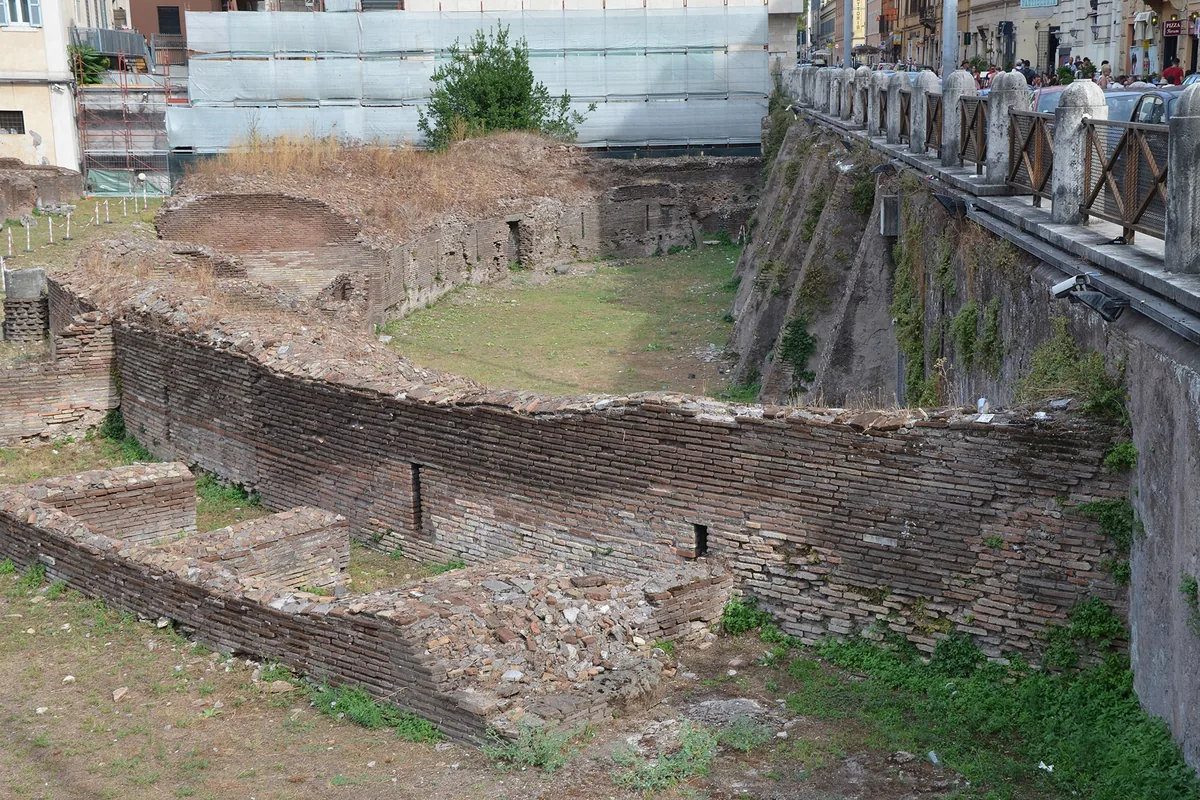
Do the Colosseum first. Once you have seen the arena floor and the passages beneath it, the show's weapons, shields and fighting types make more sense, and you will recognise the names from your visit. Wikipedia says the Ludus Magnus, the gladiator barracks and training school just east of the Colosseum, was connected to it by an underground passage, so a visit to the Colosseum also shows where the fighters lived and trained. Then add the evening on the Appian Way for the action. If your trip allows only one Colosseum visit and one evening show, this order gives each its best chance to make sense.
How much time each takes
The guided Colosseum, Forum and Palatine Hill tour on its booking page lasts 2.5 hours, and the entry-ticket option is listed at one to two and a half hours. The gladiator show lasts 90 minutes, plus the ride to the Via Appia Antica, which reviewers say needs a taxi or another vehicle. Together they fill a morning and an evening of one day, or two half-days. Leave a gap between them if you can, as the Colosseum involves a lot of walking and some steep steps, a reviewer says.
A one-day plan
A workable day looks like this. Spend the morning at the Colosseum and the Forum on a timed entry, which the booking pages say is valid for the designated entrance time only. Eat lunch in the centre and rest. Then travel out to the Via Appia Antica for the evening show, with your return taxi arranged. The booking page for the show gives 90 minutes and says that shows take place from May to September, so the plan works in that season. Outside it, pair the Colosseum with the Ludus Magnus and the Pantheon instead.
What reviewers say about the Colosseum tickets
On the Forum and Palatine Hill booking page, one reviewer found Colosseum entry quick but the queue at the Forum and Palatine Hill long. Another found the description of the activity misleading, and the review summary says clearer, upfront details on what the ticket includes, especially Colosseum access, would help. Read the options on the page for your date, check which sites your ticket covers and keep the confirmation to hand, since staff ask for names and ID at the entrance.
Families and groups
Reviewers recommend the show for families, and one says they and their child loved it. Wheelchair access is listed for the show. The Colosseum's booking pages list access limits for people with mobility impairments on the options described, so check the page for your option before you pay. For a group, the show is the easier choice to organise as a single block, while the Colosseum suits a group that wants a guide and a defined route.
Who this isn't for
Skip the show if you want only the ancient site, or if you have a single day in Rome and the Colosseum is the priority. Skip the Colosseum tickets if you have already seen it, or if queues and security checks are your concern: the booking page notes that a queue may form for security. Neither choice is wrong. Which suits you turns on whether you want to see where gladiators fought or watch someone show you how. If you are undecided, ask what you will remember: the scale of a stone building, or the sound of a shield taking a blow.
Frequently asked questions
Should I see the gladiator show or the Colosseum?
The Colosseum first, because it is the original arena. Add the show if you have time, because it brings the fighting and the weapons to life.
Is the show held in the Colosseum?
No. It is held at the Gruppo Storico Romano's headquarters on the Via Appia Antica, which the booking page puts about 3.5 km from the Colosseum.
Can I do both in one day?
Yes, as a morning visit and an evening show, with a gap for the ride and a rest. The show runs from May to September.
Do I need ID for the Colosseum?
The booking page says valid ID is needed for everyone, including children, and that names must match. Read the page for your option.
Which is better for children?
Reviewers recommend the show for families. A Colosseum visit involves a lot of walking, so choose by your child's stamina.
Does the show include the Colosseum?
No. The show ticket covers a museum visit and the show. Colosseum entry is booked separately.
Sources